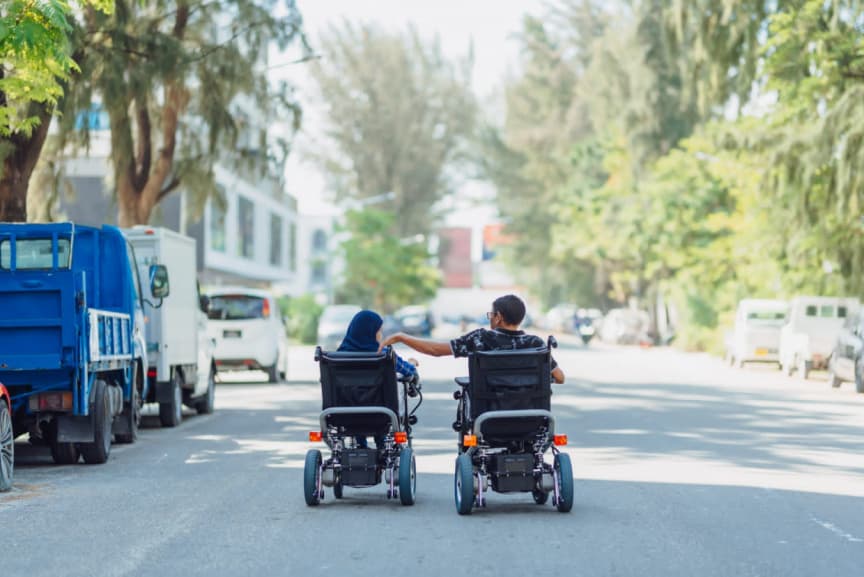
Emergencies affect everyone, but they don't affect everyone equally. Persons with disabilities often face additional challenges during disasters, not because of disability itself, but because preparation, planning, and facilities are too often built without them in mind.
With the right support, planning, and inclusion, these challenges can be overcome. Preparedness for persons with disabilities is, above all, a shared responsibility.
A shared responsibility
Climate emergencies and disaster situations can place additional pressure on persons with disabilities, who may have limited capacity to respond when systems are not designed with them in mind. This vulnerability is often a result of exclusion from planning, inaccessible facilities, and a lack of support services - not a reflection of personal capability.
The good news is that this is something we can change. With careful planning, open conversations, and a community that pays attention, persons with disabilities can be at the centre of preparedness.
Why preparation matters
For anyone, an emergency is more manageable when there is a plan. For persons with disabilities, that plan needs to be made earlier, communicated more clearly, and built around personal circumstances.
A plan that anticipates barriers narrow stairwells, locked doors, communication delays, lack of accessible transport — reduces the risk that someone will be left without support when it matters most. Preparing in advance turns uncertainty into action.
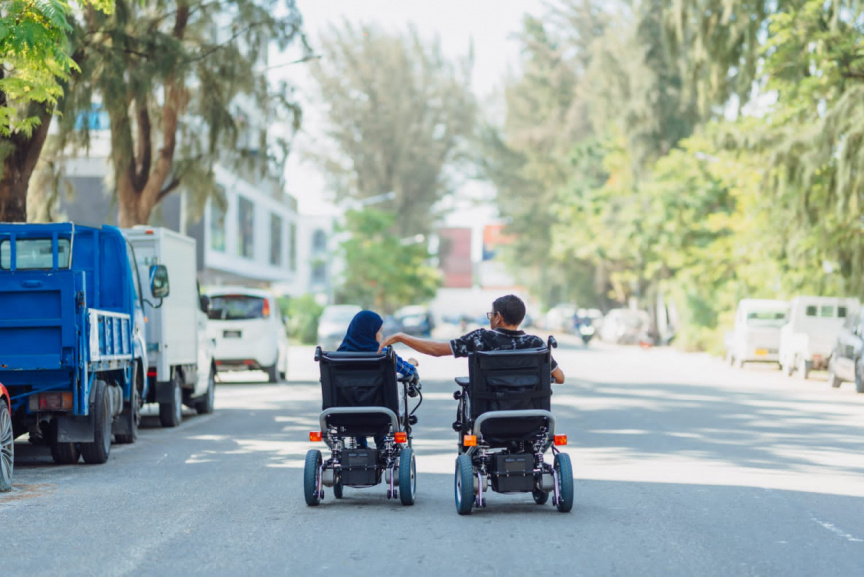
Planning your response
If you are a person with disability, the most important step you can take is to plan ahead and not alone.
Who to rely on
If you need additional support to prepare for or respond to an emergency, communicate with someone you can rely on. Preparedness for persons with disabilities is rarely a solo effort, and it shouldn't have to be.
That trusted person, whether a family member, neighbor, caregiver, or community volunteer — can help with three things:
Building the plan — talking through risks, mapping needs, agreeing on roles.
Reaching you in an emergency — knowing where you'll be, how to find you, and what to do when they arrive.
Following up afterwards — making sure you have what you need in the hours and days after an event.
Having more than one person in your support network is best. Phones can fail, people can be unreachable, and circumstances change. A small network is more reliable than a single contact.
For families, caregivers, and communities
If you are a family member, caregiver, or neighbor of a person with disability, your role in preparedness is significant. A few things make a real difference:
Inclusive preparedness benefits everyone. A community that plans for its most vulnerable members is a community that is more resilient as a whole.