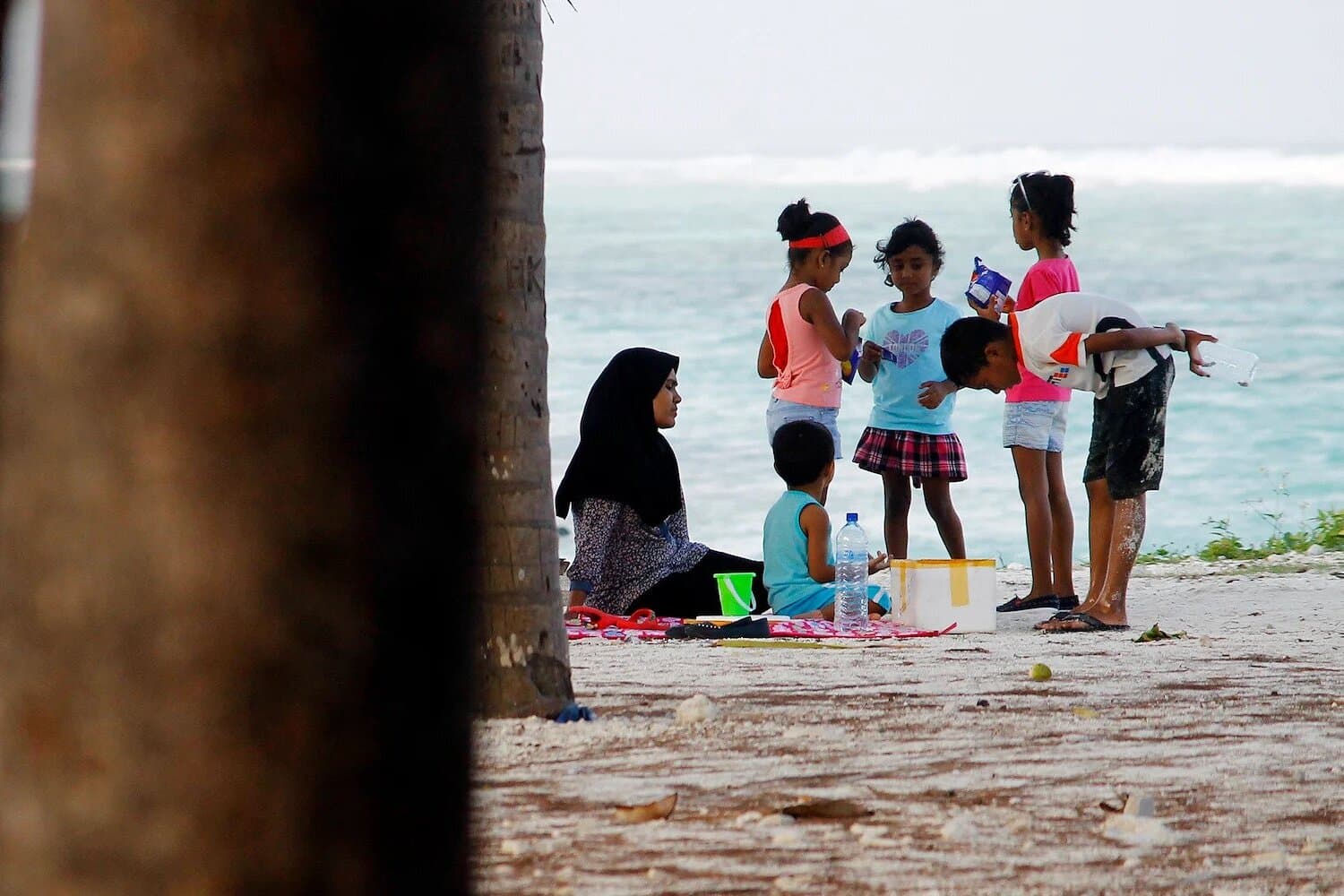
In Maldivian families, generations live close together. Grandparents help raise grandchildren. Children grow up alongside their elders. When something disrupts the rhythm of daily life - a flood, a power cut, a sickness moving through the island — the people who feel it first and feel it longest are the very young and the very old.
This page isn't about understanding the risks our children and elders carry quietly, and making sure the family around them is ready.
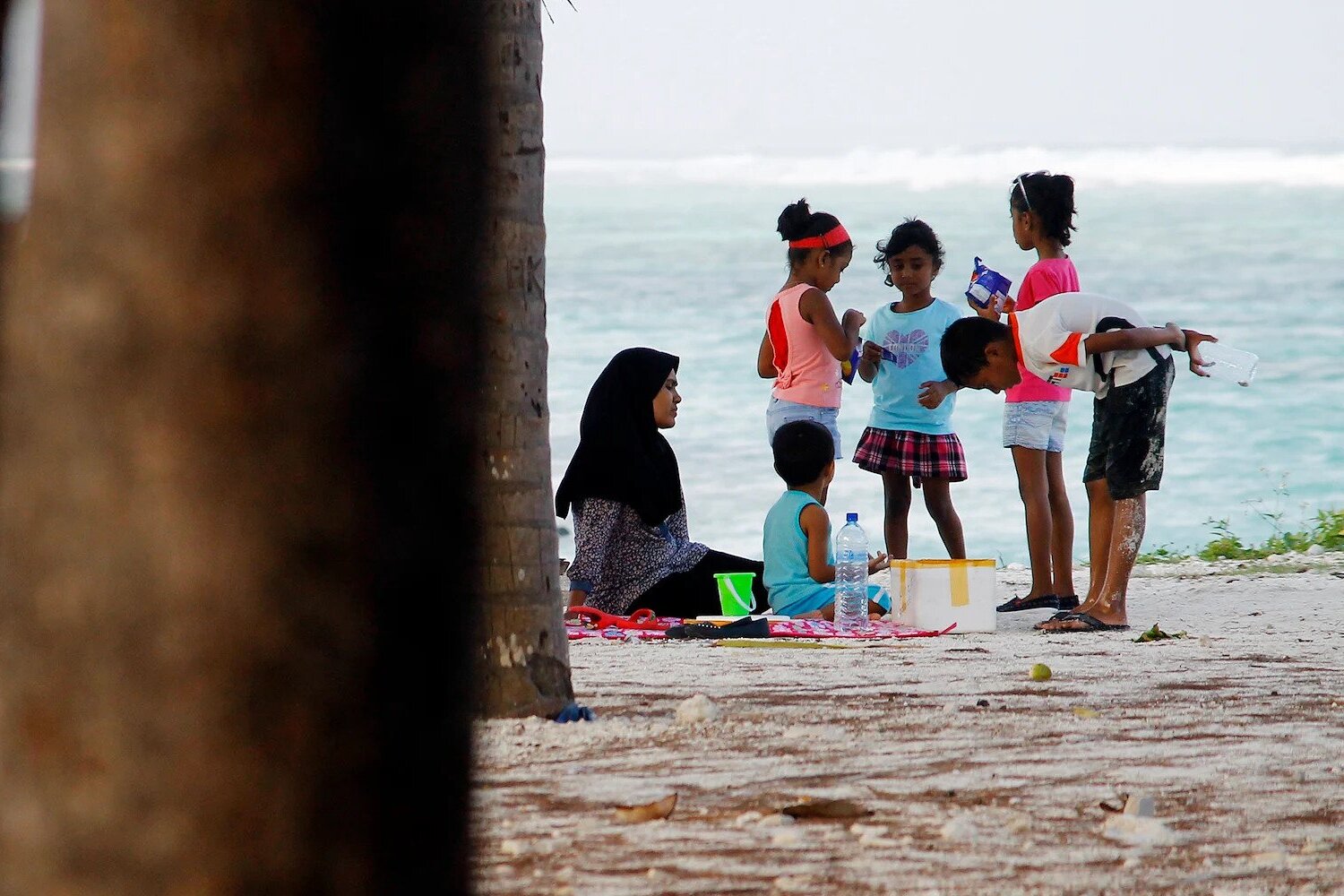
The hazards they feel most
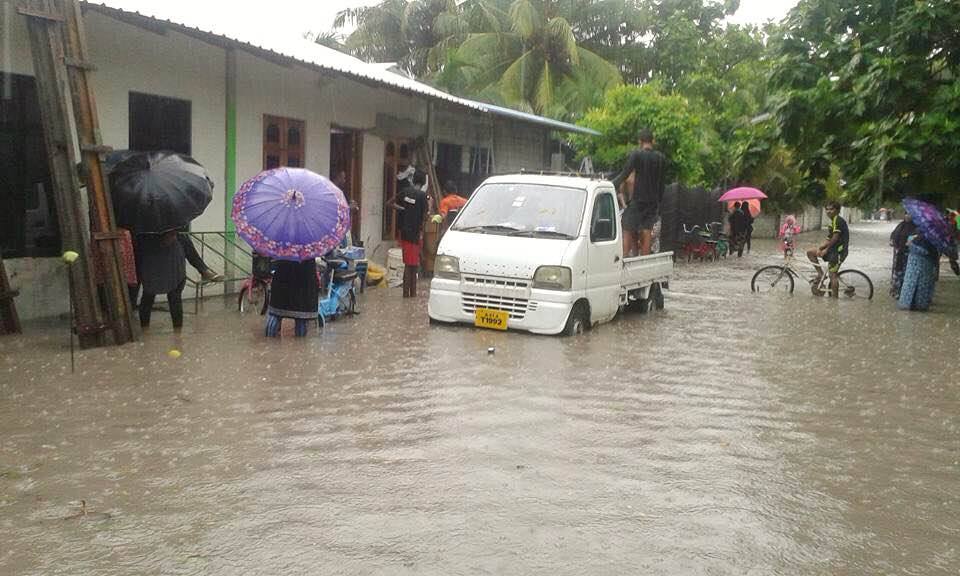
Some hazards affect children and elderly more than the rest of us:
These aren't dramatic hazards. They're everyday realities of monsoon-season life in the Maldives and they fall harder on the youngest and oldest in every household.
Why they need extra care
Children and elderly aren't more vulnerable because they're weak. They're more vulnerable because emergencies often demand things their bodies, or their circumstances, can't easily give such as peed, strength, the ability to communicate, the ability to get out of the way fast.
A young child may not understand what's happening. An elder may struggle with stairs, with hearing an alarm, with carrying their own bag, with knowing where to go. These limitations are real. But they aren't permanent obstacles. Most of them can be planned around with a little awareness, a little preparation, and a family that knows what to do.
Talking about what to do
The single most important thing a family can do for its children and elders is also the simplest - sit down together and talk.
If you're a parent or caregiver, talk to your children at their level, in language they understand, about what you would all do if something happened. Where you'd meet. Who would call whom. What to do if the lights go out. Where the torch lives.
If you're an adult child caring for an elderly parent, talk to them too. Don't assume they remember the family plan from years ago, or that they'd know how to act on it now. Ask what they'd want. Ask what they'd be able to do. Make a plan that fits their actual life, their medications, their mobility, their routines.
If you're a child or an elderly person yourself, start the conversation. Tell your family what you'd need. Ask what the plan is. Make sure you know where to go and who to call. The people around you want to help, they may just need you to begin.
A family that has talked openly about emergencies, even once, responds far better than one that hasn't. The conversation is half the preparation.