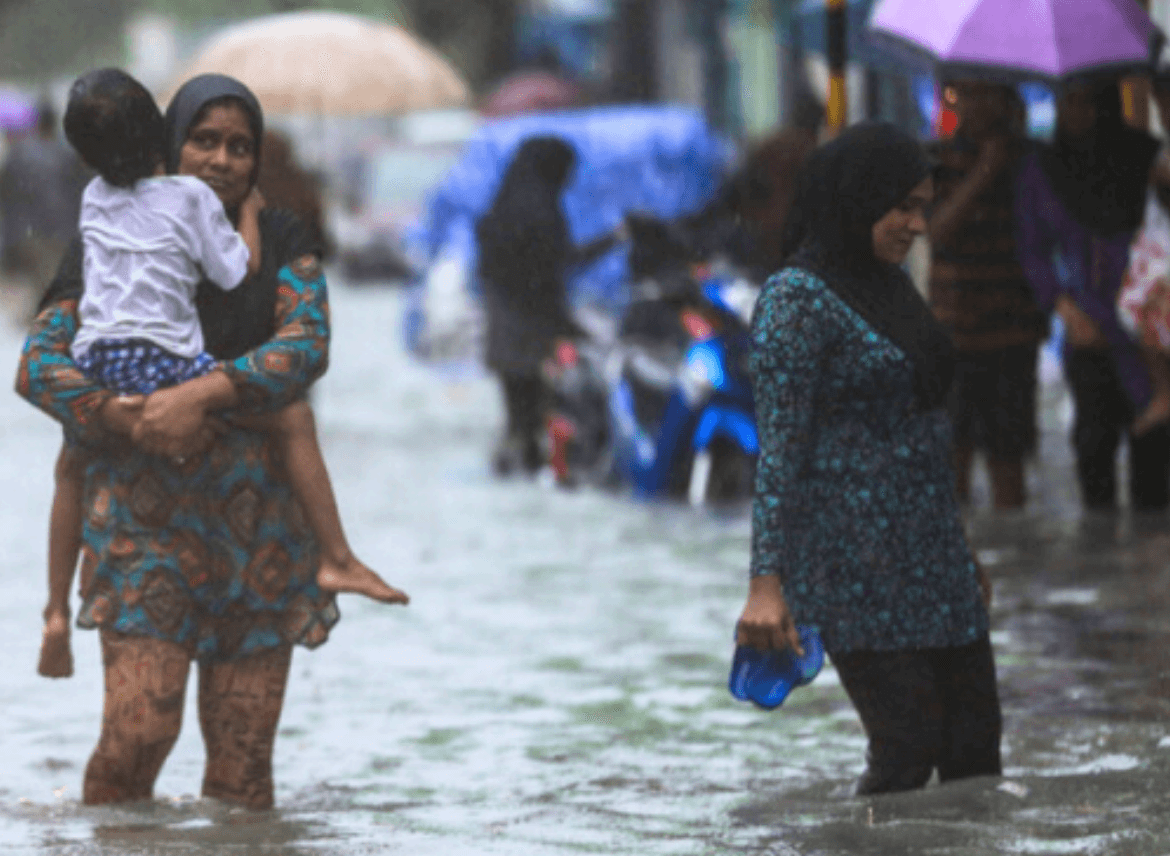
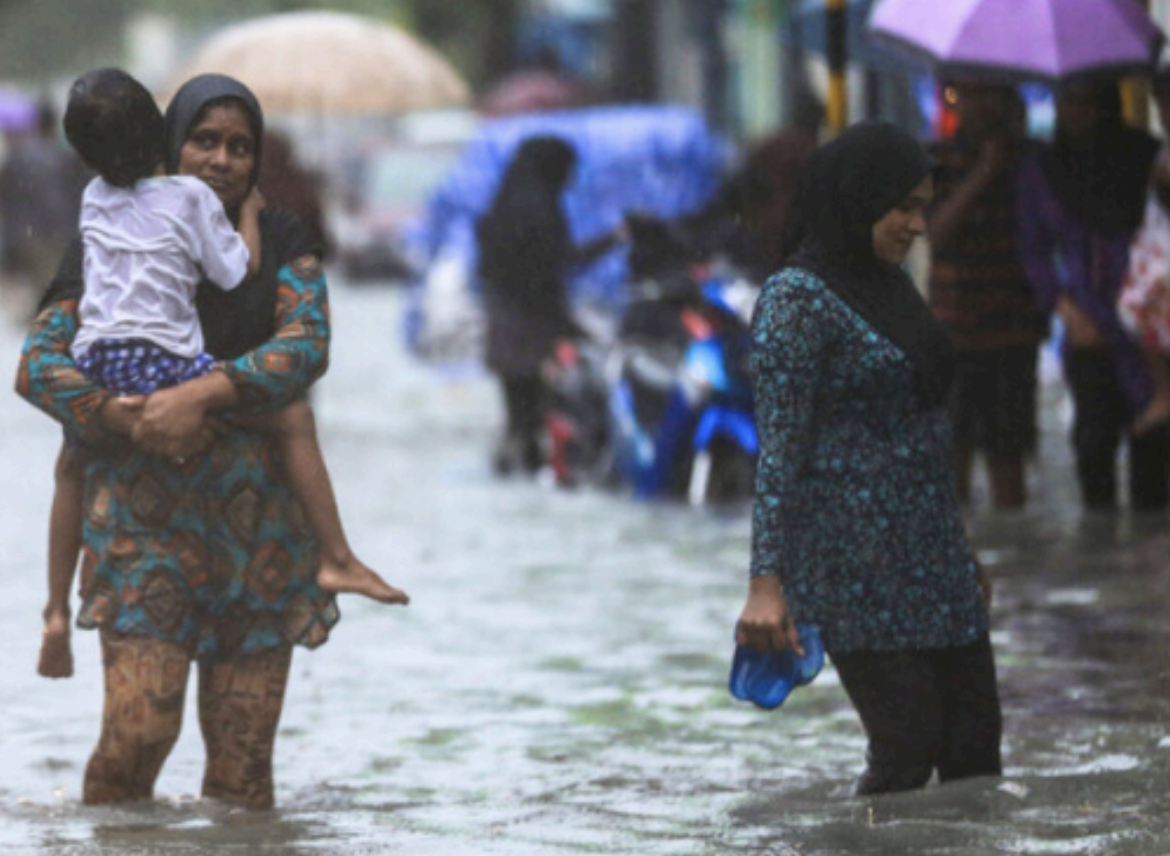
Across the Maldives, countless people quietly carry the responsibility of looking after others. Parents raising young children. Adult children caring for elderly parents. Family members supporting a relative with a disability. Domestic helpers, household staff, and migrant workers who form an essential part of how households function. Caretakers, in all their forms, are the people who make sure others are safe, fed, and looked after - every day, in good times and hard ones.
The responsibility of looking after others
As a caretaker, you are responsible for the safety and well-being of yourself and the person or people in your care. That dual responsibility means more planning, more preparation, and more thought about how to respond when something goes wrong.
It also means staying informed. The earlier you know that conditions are changing, a weather alert, a flood warning, a heat advisory - the more time you have to make decisions on behalf of those who may not be able to make them on their own.
Caretakers don't get the luxury of reacting only for themselves. The choice is always for two, for three, for the whole household. That's why preparedness matters more, not less, in caretaking households.
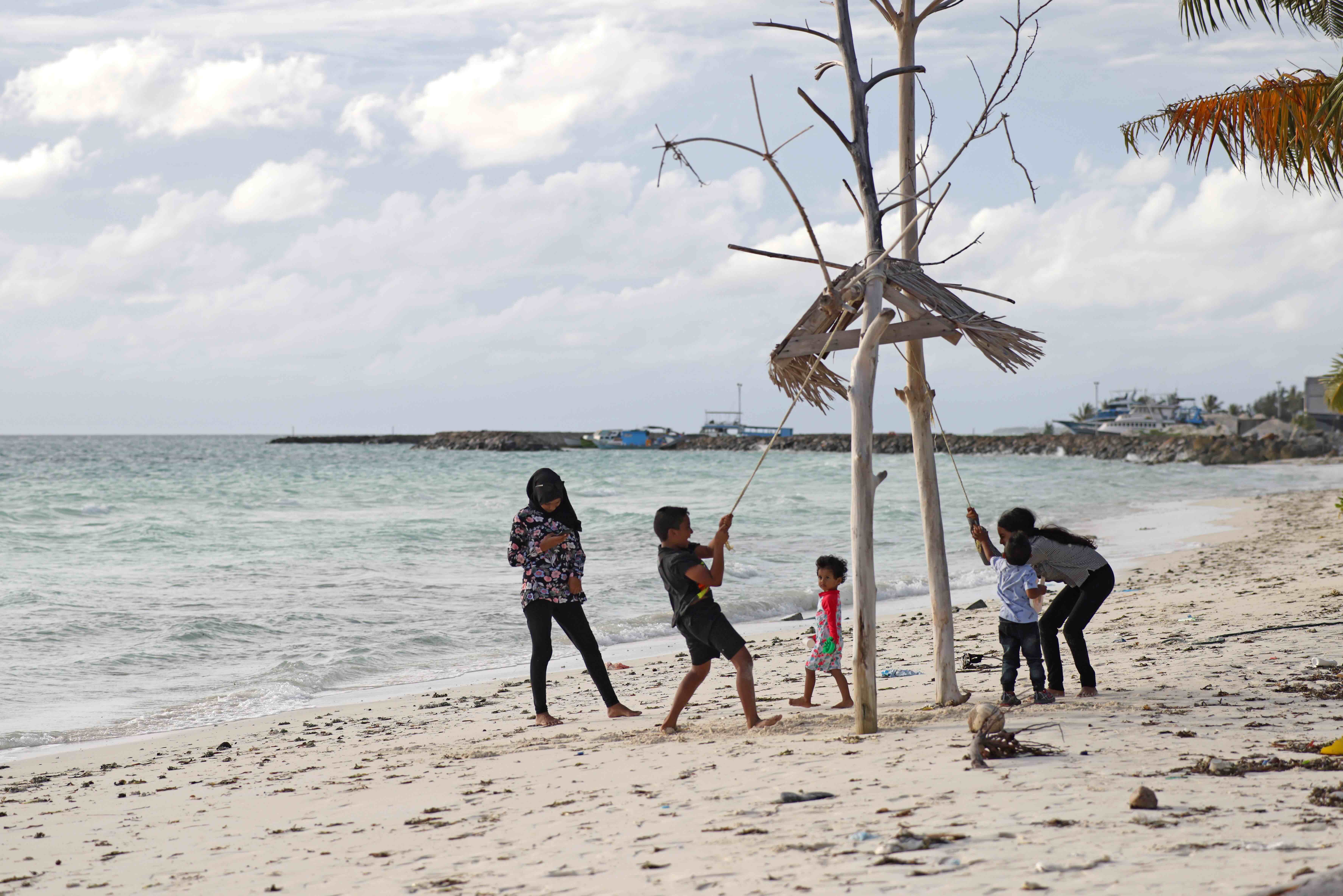
Who you are responsible for
A clear list of who you are responsible for is the starting point of every caretaker's emergency plan. Take a moment and think honestly about who depends on you in an emergency.
Is it your children? An elderly parent? A relative with a disability? A spouse with a chronic illness? Someone in your extended household who would need help making decisions or moving safely if something happened?
Then think again. Is there anyone else? Someone who might be easy to overlook in the planning?
A live-in helper or a migrant worker employed in your household, is perhaps '
Someone whose role in an emergency is not always discussed, but who is nonetheless part of the home? If so, include them. Empower them. A caretaker who is themselves prepared is a stronger one.
If you are a parent
Children look to the adults around them for safety. In an emergency, that need becomes especially acute. As a parent or guardian, your preparedness directly shapes how your child experiences a crisis. A few things to think through include:-
Talk to your children about emergencies, in language they understand. Honest, calm conversations — not frightening ones — help children build the confidence to respond well when something happens.
If you are caring for an elderly person or person with disability
Caring for an elderly relative or a person with disability brings a particular set of considerations into emergency planning. The aim is not to do all the planning for them - it is to plan with them.
Inclusion isn't a courtesy. It's the foundation of good caretaking.
Building a network you can rely on
No caretaker should plan alone. Even the most capable, organized, and devoted caretaker needs people they can call on when the situation demands more than one person can give. Think about who in your circle you could rely on for additional support:
A trusted relative living nearby
A neighbor who knows your household
A close friend who could check in if you couldn't
A community contact syuch as an island council representative, a volunteer, a local health centre staff member
Identify at least two people, not just one. Phones can fail, people can be unreachable, circumstances change. A small network is more reliable than a single contact.
If your circle includes people who can step in physically such as fetching a child from school, sit with an elderly parent, help carry someone to safety - make sure they know that role exists in your plan. Most people are willing to help. Many simply haven't been asked.
Plan, review, repeat
A plan made once and never revisited is a plan that may not work when you need it most. Caretaking situations change, children grow, conditions evolve, household members change, medications adjust, neighbors move. The plan should change with them.
A simple rhythm works well:
Plan. Sit down with your household and put a clear plan in place : meeting points, contact lists, roles, medical needs, important documents.
Review. Once or twice a year, walk through the plan again. Check whether the contacts are still right, whether the medications are current, whether the meeting points still make sense.
Repeat. As life changes, the plan changes. Treat it as a living document, not a one-off task.
Even ten minutes of review every six months is enough to keep the plan ready. The cost of revisiting it is small. The cost of not having a plan that fits your current life can be much higher.