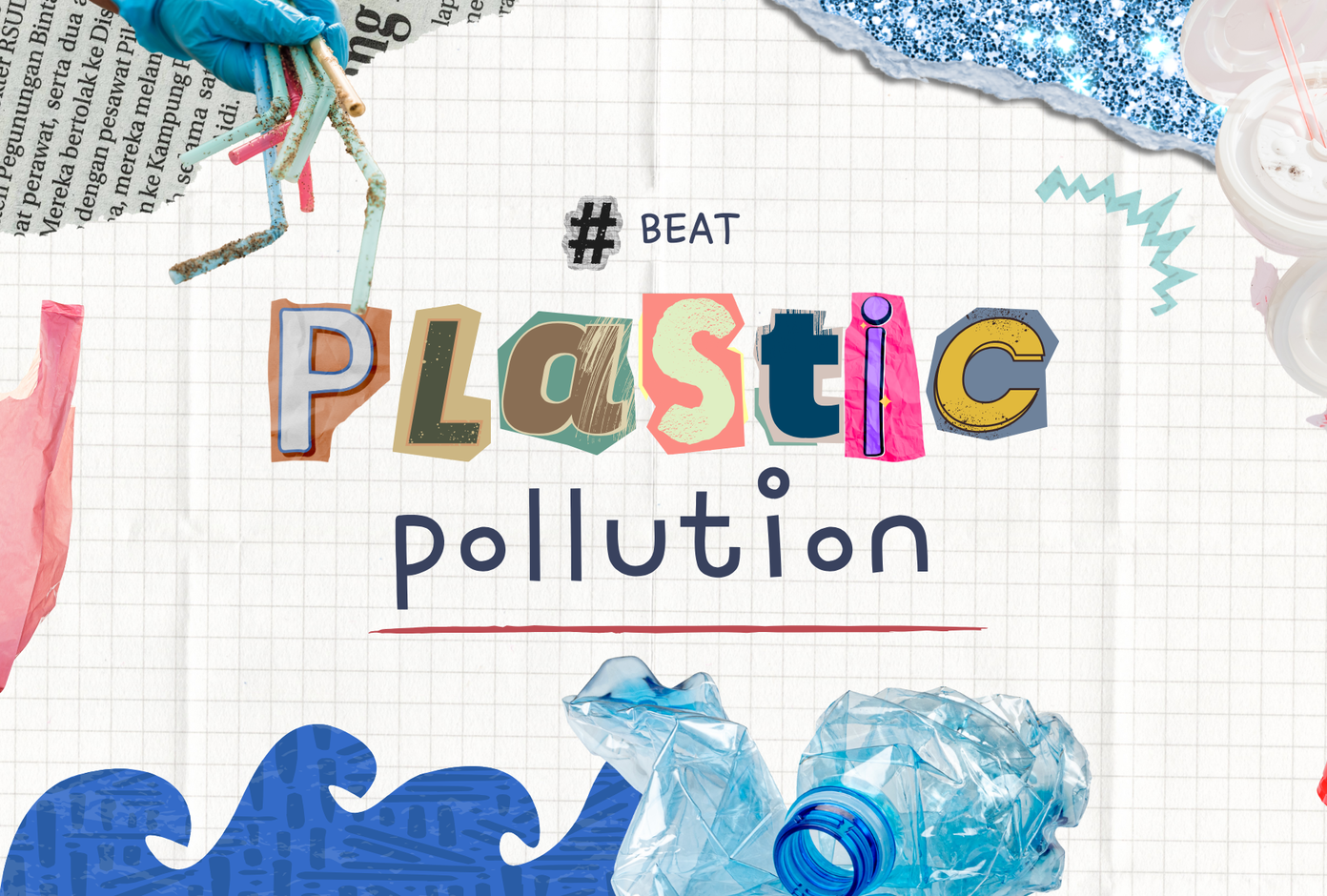
Waste pollution is one of the most visible and serious environmental threats facing the Maldives. Learn how poor waste management affects our health, ocean, and ecosystems and what communities can do to be part of the solution.
What is Waste Pollution?
Waste pollution refers to the introduction of any discarded materials no longer required by the owner or user into the environment. This includes pollution entering soil and waterbodies from solid waste, hazardous waste, plastic waste, and microplastics. In the Maldives, where land is scarce, islands are small, and ocean ecosystems are the foundation of life, the consequences of unmanaged waste are immediate and far-reaching.
A Growing Problem on Small Islands
The Maldives generates an estimated 432,792 tonnes of waste per year. In the Greater Malé region alone, over 800 tonnes of municipal solid waste is produced every day. Between 2004 and 2014, waste generation in this region increased by 155 percent. This explosion in waste is directly tied to the growth of tourism and rising living standards. More visitors, more imports, more packaging, more construction, all of it generates waste on islands that were never built to absorb it.
Resort islands generate waste at a rate nearly five times higher per person than local inhabited islands. And yet the infrastructure to manage this waste has consistently lagged behind.
The Maldives also ranks among the countries with the highest concentrations of microplastics in the world. They are in the sand, in the fish, and increasingly, in us. For a nation defined by its ocean, that is not a distant environmental statistic. It is an immediate threat to the ecosystems and livelihoods that sustain Maldivian life.
Factors contributing to Waste pollution
How Waste Pollution Affects Us
Public health at risk
Open burning introduces toxic chemicals directly into the air communities breathe. Poorly managed waste near settlements attracts disease vectors, insects and rodents that spread illness. Hazardous waste that leaches into the ground reaches freshwater lenses quickly on small islands. The long-term public health consequences of sustained exposure remain understudied.
Impacts on ocean and marine life
Plastic waste that enters the ocean does not disappear. It breaks down into microplastics that enter the food chain in the fish Maldivians catch and eat, in the coral ecosystems that protect the islands, and in the bodies of marine wildlife.
Impacts on economy
Waste pollution affects the sectors the Maldivian economy depends on most. Degraded beaches and contaminated reefs reduce tourism value. Marine debris harms fish populations and disrupts fisheries. Agricultural land on farming islands is compromised when waste is dumped or burned nearby, contaminating soil and the freshwater lens that irrigation depends on.
Cascading Impacts across hazards
Waste pollution does not stay contained. It accelerates marine biodiversity loss. It contributes to saltwater intrusion when it degrades freshwater lenses. Waste buildup in mangroves and wetlands damages critical ecosystems. Open burning worsens air pollution and compounds health hazards. Each consequence feeds into others making waste pollution one of the most far-reaching hazards the Maldives faces.
How You Can Be Part of the Solution
✓
Segregate Your Waste Separate organic waste, recyclables, and general waste at the source. Where collection systems exist, segregation makes recycling possible. Without it, everything ends up in the same pile and usually burned or dumped.
Reduce Single-Use Plastic The nationwide ban on many single-use plastics came into force in 2024. Support this initiative by carrying reusable bags, bottles, and containers. Reducing what you bring into the waste stream is always more effective than managing it afterwards.
Avoid Waste dumping in the Ocean or on the Shore Open dumping into coastal waters, beaches, and mangroves remains a real and documented problem. Waste that enters the ocean does not come back and it travels far beyond where it was dropped.
Avoid Open Burning Open burning of plastic and mixed waste produces some of the most toxic pollutants known. Use designated waste facilities wherever they exist. If your island lacks adequate collection, report the gap to your island council.
Report Illegal Dumping Illegal disposal of waste especially near coastal areas, mangroves, or marine environments can be reported to your island council, WAMCO, or the Environmental Regulation Authority . Enforcement depends on people reporting what they see.
✓
Get Involved in Community Initiatives Support community-led Programmes are running waste audits, waste-to-wealth initiatives, and education Programmes across the Country. Joining these efforts or simply amplifying their work builds the collective momentum that systemic change requires.
Learn more
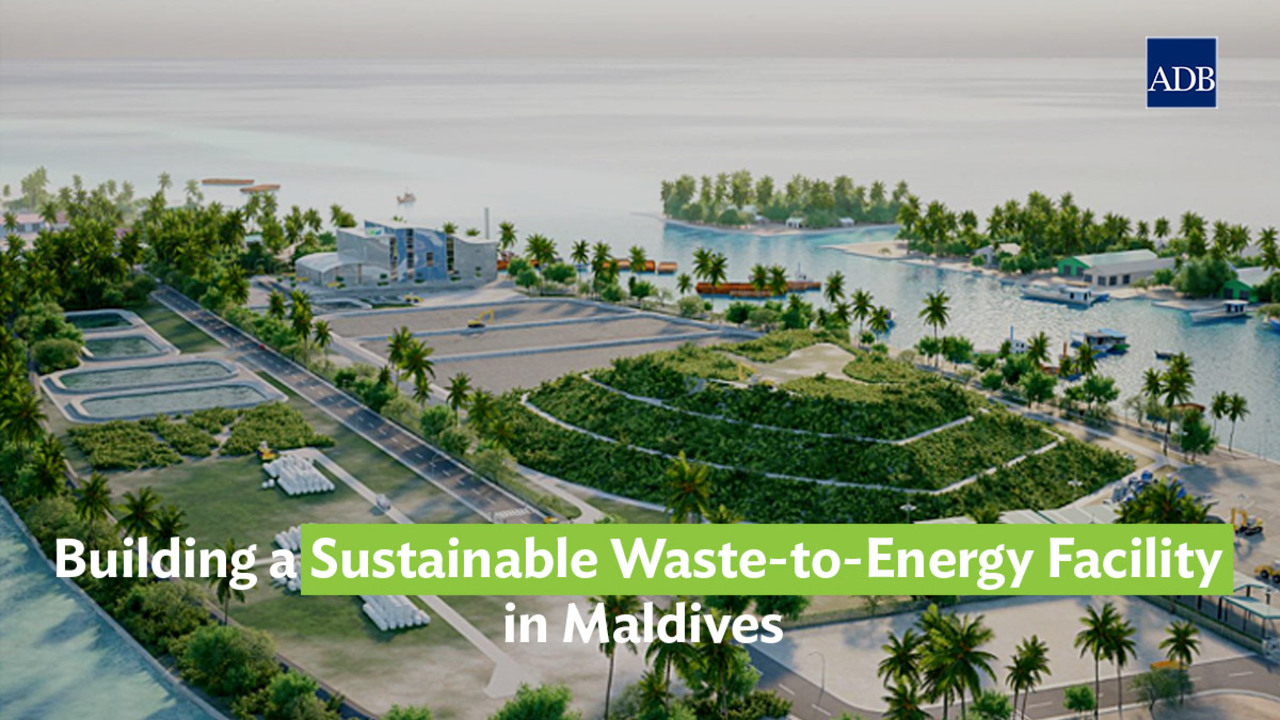
In the Maldives, significant investment is underway to address the waste crisis at scale. A USD 210 million Greater Malé waste management overhaul supported by the Asian Development Bank, the Asian Infrastructure Investment Bank, the Islamic Development Bank, and the Japanese Fund is rehabilitating the Thilafushi dumpsite and developing a waste-to-energy plant capable of processing 500 tonnes per day.
In March 2024, UNDP handed over electric vehicles to WAMCO to strengthen PET plastic collection across the Greater Malé area. Community-led waste management systems are being strengthened across atolls in the Country. The first dedicated Waste Management Act was enacted in 2022. A National Waste and Resource Management Policy for 2024–2028 places new emphasis on circular economy principles and extended producer responsibility.
Progress is real but the scale of the problem demands more than infrastructure alone. Every community, every household, and every visitor has a role to play. Waste pollution is one hazard the Maldives can genuinely reduce but only if the effort is shared.
Cleaning Up Paradise: Phasing out Plastic in the Maldives