What is Sea Level Rise (SLR)?
Sea level rise is a long-term, slow-onset hazard caused mainly by the ocean getting warmer and expanding, along with the melting of land ice.
Sea level rise is an existential threat to the Maldives. By 2100, sea level rise projections of 0.61–1.10m relative to the baseline correspond to a loss of between 77–100 per cent (i.e., completely underwater) of land in the Maldives. With Maldives being one of the lowest lying countries in the world, where most islands sit less than 1 –1.5 metres above sea level, even small increases in sea level can lead to major long-term risks. Rising seas also worsen other coastal hazards such as flooding, erosion, saltwater intrusion and the loss of vital ecosystems, making it a compounding threat that affects every aspect of life in the islands.
Sea level rise is a slow, long-term change that creates permanent impacts on islands and coastlines.
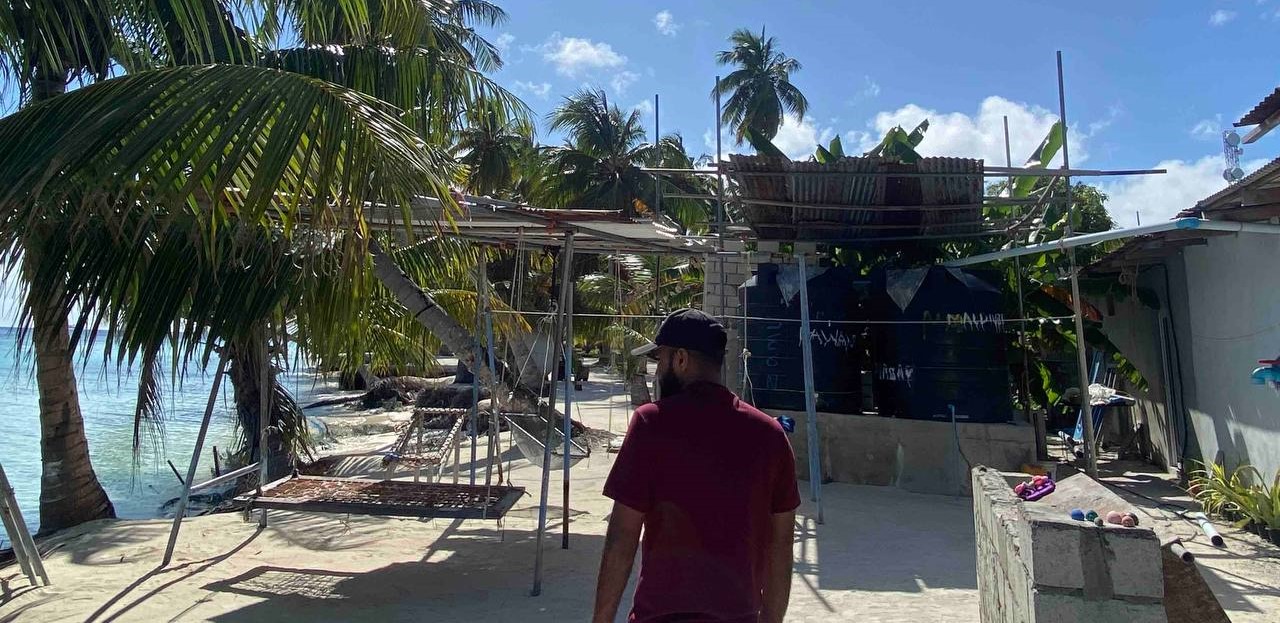
Characteristics of Sea Level Change
Gradual but permanent Change
The effects of Sea level rise build over time and leads to long-lasting changes globally, in particular in small island nations such as the Maldives
Worsen other coastal hazards
Seal level rise can intensify impacts from other coastal hazards such as storm surges and swell waves. It can even have impacts during normal high tides as it will start from a higher baseline.
Increased Impact from Human Development
Human activities such as land reclamation, dredging, and altering natural coastlines can reduce the natural protection that islands rely on. As these changes reshape coastal areas, they can also increase how exposed islands are to the effects of rising seas.
Expected impacts due to Sea Level Rise
Long-Term Risks for the Maldives
Rising seas create long-term challenges across social, economic, environmental and cultural domains that shape daily life in the Maldives.
People & Housing
Rising seas threaten homes, community spaces, and neighborhoods through permanent land loss, repeated flooding, and the growing need for relocation within or between islands.
Critical Infrastructure
Airports, harbours, powerhouses, utility systems mostly built near the coast, face increasing damage, higher maintenance costs and more frequent service disruptions.
Water & Food Security
Increased saltwater intrusion into groundwater and wetlands will reduces drinking water quality, while soil salinity and flooding limit agriculture and threaten local food production.
Economy & Livelihoods
Tourism faces risks from beach loss and damage to resort infrastructure, while fisheries can be affected by reef degradation and declining coastal ecosystems.
Environment & Heritage
Coastal habitats, mangroves and natural buffers continue to disappear, while cultural sites, burial grounds and traditional island identities face long-term threats.
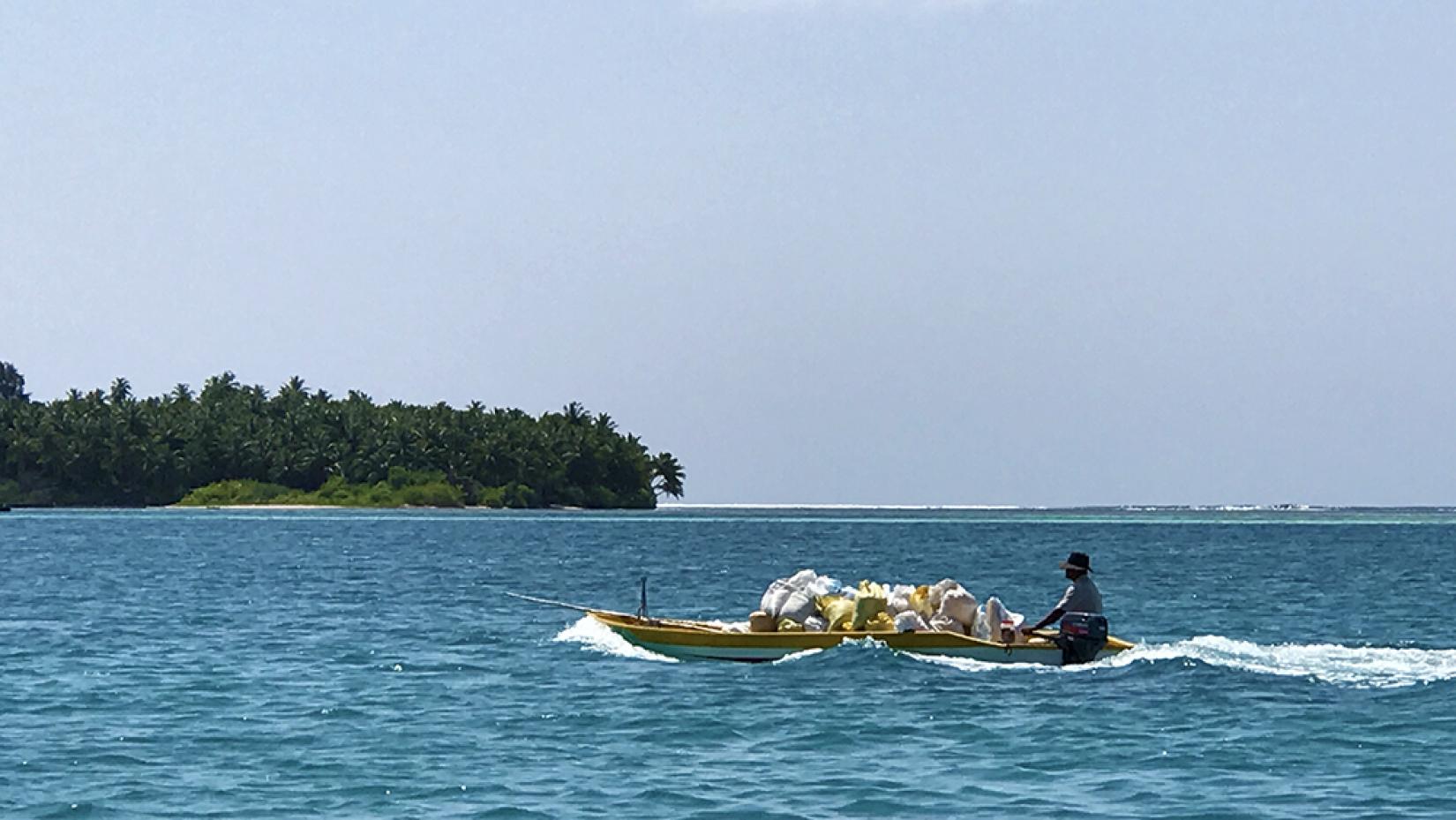
How Communities Can Prepare
Although sea level rise is a slow-onset hazard, communities across the Maldives are already experiencing its early impacts. Local preparedness helps reduce everyday risks while supporting long-term resilience.
Government & National-Level Actions
The Government of Maldives and national agencies are taking a range of actions to address the long-term impacts of sea level rise, combining coastal protection, infrastructure resilience, improved monitoring, and stronger policy planning.
National agencies are expanding the use of nature-based solutions such as mangrove restoration, coral rehabilitation, and beach nourishment, while shifting coastal engineering toward island-specific designs that better match local conditions. Critical infrastructure, including power, water and sewerage systems, is being strengthened through elevation, relocation, and improved drainage and harbour protection to reduce damage from flooding.
To support long-term planning, monitoring systems are being upgraded through expanded tide-gauges, wave observations, and high-resolution shoreline mapping using drones and satellite imagery. These data help produce flood models and guide more resilient land-use decisions. Policies now increasingly incorporate sea-level rise into planning through set-back zones, vegetation buffers, and stricter environmental assessments. In the most exposed islands, future options such as community relocation are being explored, supported by improved national data systems and coordinated climate planning.
Climate change, and resulting sea level rise, demands urgent, consistent, and coordinated global action. Actions that enhance the adaptive capacity of coastal communities and low-lying island States that are most susceptible - His Excellency Dr Mohamed Muizzu, President of the Republic of Maldives
Related Resources & Articles
