Learn how, saltwater intrusion threatens the freshwater that Maldivian island communities depend on. and what is being done to protect this vital resource.
What is Saltwater Intrusion?
Saltwater intrusion is the process by which seawater infiltrates into coastal underground aquifers, leading to contamination of fresh groundwater. In the Maldives, where underground freshwater lenses are the one of the natural source of water on many islands, this process poses a direct and growing threat to water security across the country.
The freshwater lens
Beneath every island in the Maldives lies a thin layer of freshwater. It sits apporximately 1 to 1.5 metres below the surface, a lens of fresh groundwater floating on top of denser seawater beneath it. This is the freshwater lens. On many islands, it has historically been the primary source of water for drinking, cooking, washing, and farming.
It is not a large resource. On smaller islands, the lens can be just a few metres thick at most. Its size depends on the width of the island, the amount of rainfall, and how much open ground exists to allow rainwater to soak in and recharge it. It is naturally fragile and it is under increasing pressure from multiple directions at once.
Per capita renewable water resources in the Maldives have fallen from nearly 300 cubic metres per person in 1964 to just 55 cubic metres in 2020. That decline reflects both population growth and the compounding effects of climate change on a resource that was never abundant to begin with.
What is Pushing Saltwater Into Our Groundwater
Sea Level Rise and Coastal Flooding
As sea levels rise, the boundary between fresh and salt groundwater shifts upward and inward. Storm surges and high tides push seawater further across the island surface, infiltrating soils and contaminating the freshwater lens below. On smaller islands, a single severe flooding event can render the lens unusable for months.
Extended Dry Periods
During the North East Monsoon (Dry Monsoon) which runs roughly from December to April , rainwater harvesting tanks run dry and the freshwater lens is not being recharged. Prolonged dry periods thin the lens significantly. On smaller islands, the lens can deplete entirely. When extraction continues during this period, saltwater draws up from below to fill the gap.
Population Growth and Over-Extraction
More people means more demand on the same thin layer of freshwater. When extraction rates exceed natural recharge, the lens shrinks. Saltwater moves in to replace what has been removed. This is already happening on densely populated islands where the lens is drawn down faster than rainfall can replenish it.
Land-Based Pollution
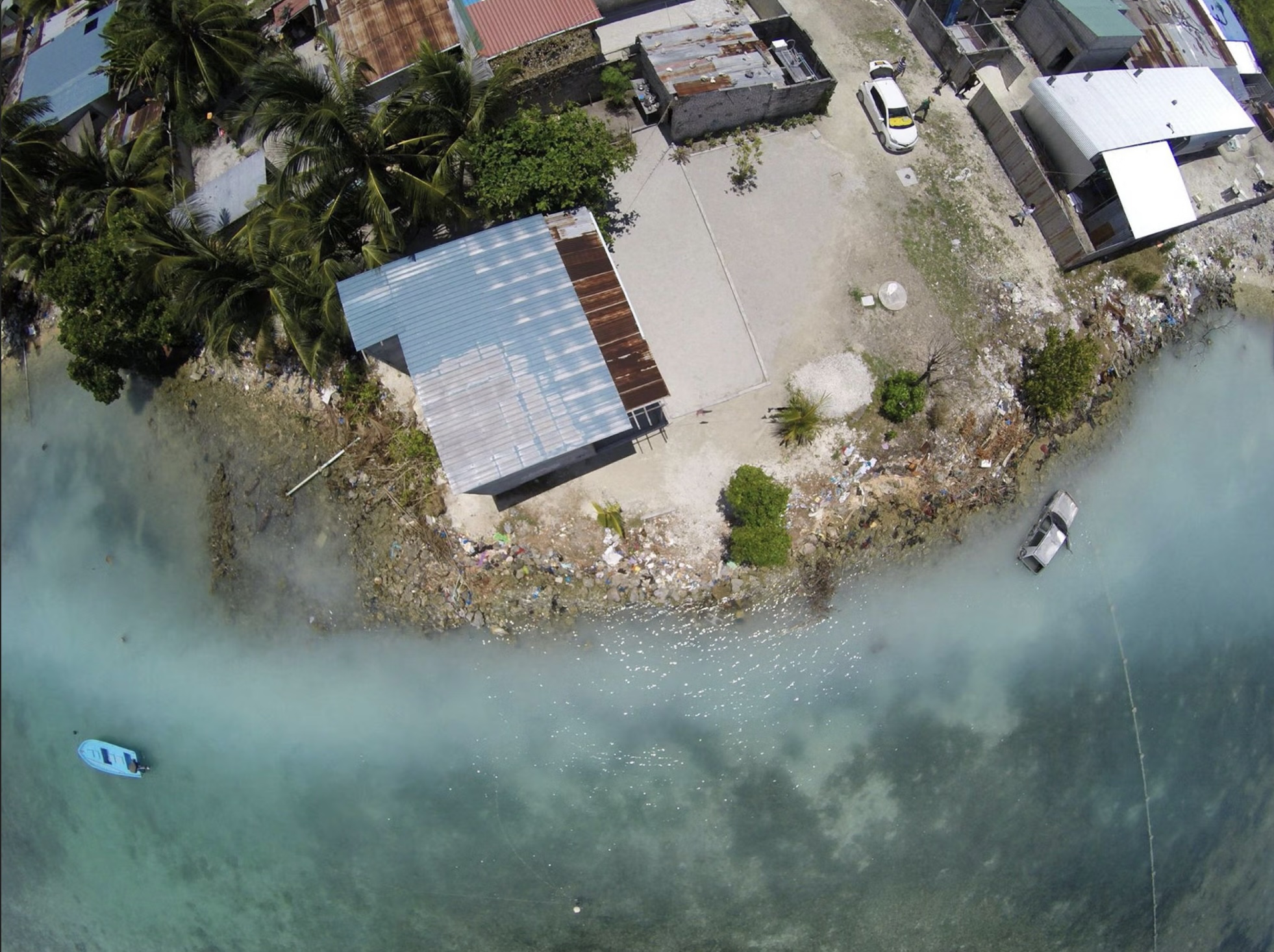
Agricultural chemicals mixed into shallow wells is a common practice on farming islands in the Maldives, which contaminate the lens directly. Poorly managed waste and inadequate sewage systems introduce pollutants that move rapidly through the thin unsaturated zone into the water table. A recent study found significant levels of pollution in freshwater lenses across 38 out of 45 sampled islands.
How It Affects Our Islands and Communities
How You Can Help Protect Our Freshwater
✓
Use Water Wisely : Reduce unnecessary water use at home. Every litre saved from groundwater extraction gives the freshwater lens more time to recharge. Simple habits such as fixing leaks, reducing garden watering, reusing greywater make a measurable difference on small islands.
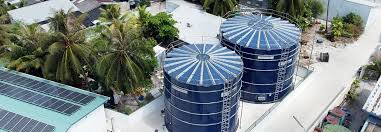
Maintain Your Rainwater System Rainwater harvesting is one of the most effective ways to reduce pressure on the freshwater lens. Keep tanks clean and covered. Clear rooftops regularly. A well maintained rainwater system can significantly reduce a household's dependence on groundwater, especially during the dry season.
Keep Chemicals Away from Wells and Open Ground Fertilisers, pesticides, and cleaning chemicals that enter the soil move quickly into the freshwater lens. Dispose of chemicals responsibly. Avoid mixing agricultural inputs in or near shallow wells.
Manage Waste Properly Improper waste disposal including open dumping near coastal and inland areas is a direct pathway for contamination into the freshwater lens. Use designated waste facilities.
✓
Support Integrated Water Management Programmes combining desalination, rainwater harvesting, and managed aquifer recharge are being rolled out across islands by the Maldives government. These systems are designed to secure year-round water access in the face of climate change. Engaging with and supporting these efforts at the community level is essential to making them work.
Learn More
Progress is being made. Desalination now reaches all inhabited islands. Managed aquifer recharge systems are active on 24 islands. Groundwater assessments have been completed on 37 islands. A USD 28.2 million initiative with the Green Climate Fund and UNDP is delivering integrated water security to 32,000 people across 49 outer islands.
But investment alone is not enough. Protecting the freshwater lens requires action at every level from national infrastructure to individual habits on each island. The window to act is open. Fresh groundwater is recoverable but only if we reduce the pressure on it now, before it is gone.
Fresh groundwater is not infinite. It is not guaranteed. But it is recoverable if we protect it. The choices made on every island today will determine what is left in the lens for the next generation.
An Integrated Water Resource Management Programme in the Maldives - UNDP Maldives