What are Maritime Hazards?
Maritime hazards refer to accidents or incidents that directly or indirectly threaten human safety, economic activities, and the fragile marine environment of an oceanic nation. As a small island state , the Maldives faces constant vulnerability to maritime hazards. While severe weather is a frequent contributing factor, many incidents also originate from failure to follow established safety protocols inadequate safety equipment, ignoring weather alerts, or exceeding vessel capacity.
The Maldives is an island nation with 186 inhabited islands are spread across more than 90,000 sq. km of ocean. There are no roads between islands. No rail links. No bridges. Every movement of people, food, fuel, medicine, and goods happens on the water.
Fishing vessels leave before dawn. Speedboats and ferries transfer workers, travelers and tourists to resorts and island communities. Cargo ships bring in the 90% of essential commodities that the country imports. Domestic supply vessels redistribute goods across atolls. Tourism brings hundreds of seaplanes and boats into operation every single day.
The scale of maritime activity in the Maldives is enormous and the hazards that come with it are equally significant.
Maritime Accidents
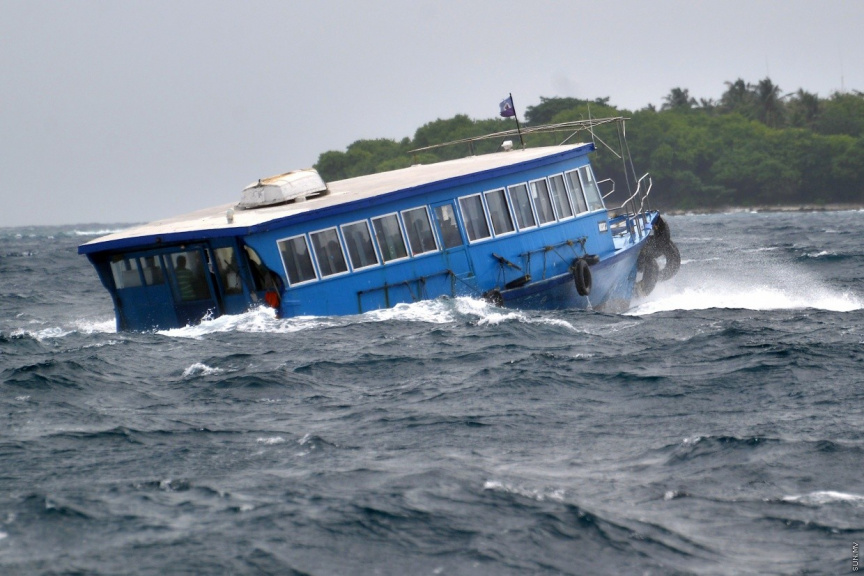
A maritime accident is any incident occurring during the operation of a marine vessel including fishing boats, ferries, cargo ships, or other craft that results in death or serious injury, the loss of a person at sea, the loss or abandonment of a vessel, significant vessel damage, grounding, collision, serious damage to marine infrastructure, or harm to coral reefs and coastal ecosystems.
Geography compounds every response challenge. The wide dispersal of islands makes reaching a distant incident quickly extremely difficult. The Coast Guard faces resource constraints in conducting comprehensive enforcement across a vast area, and the variability in vessel condition and operator experience.
Maritime Fires
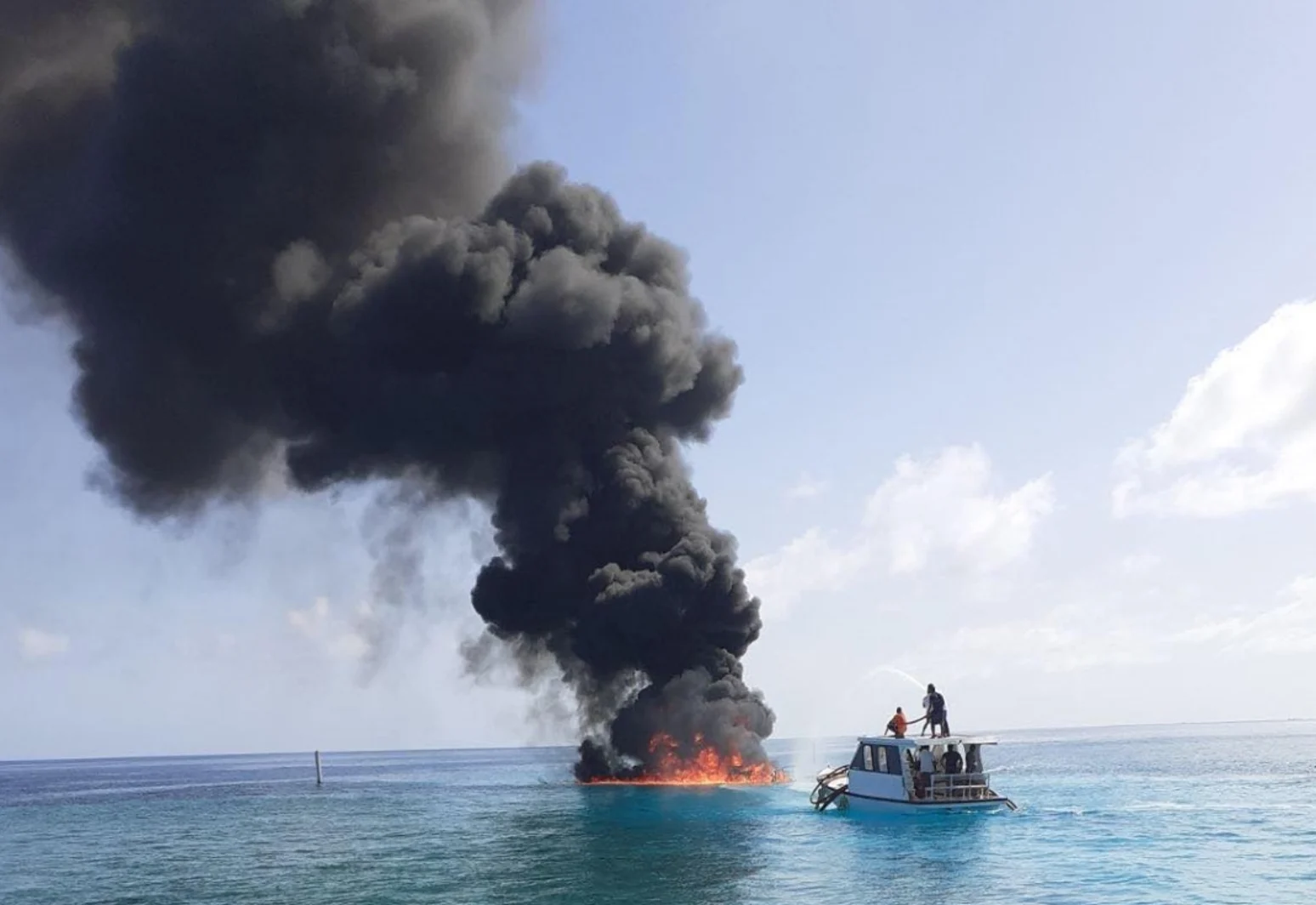
Maritime fires refer to any fire incident involving seaworthy vessels, marine infrastructure, or hydrocarbon and chemical spills on the water surface. Vessels docked on land are not included in this definition.
The current national response capacity for maritime fires is limited. The entire country has only two dedicated marine fire vessels. Only 15 atolls currently have fire stations with marine firefighting capabilities meaning a significant portion of the archipelago has no dedicated local maritime fire response at all. Efforts are underway to expand this coverage, but the gap is real and significant.
When a maritime fire leads to oil or chemical leakage into the surrounding ocean, the environmental consequences compound rapidly. Toxic substances released onto coral reefs and into marine ecosystems cause damage that is expensive and in many cases impossible to fully reverse.
Oil and Substance Pollution
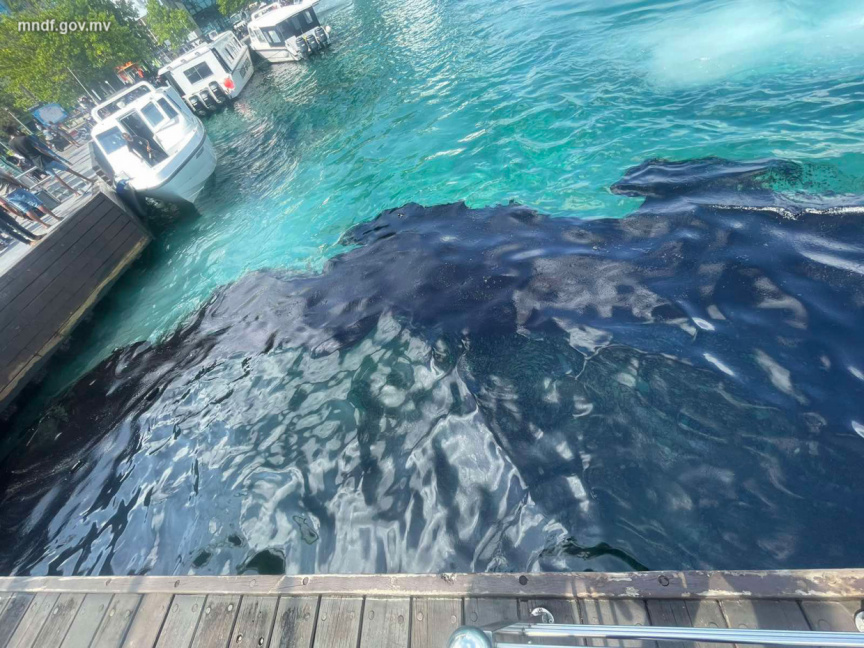
Oil and Hazardous Substance (OHS) pollution refers to any uncontrolled release, spill, or discharge of oil or other hazardous materials such as chemicals, fuels, or industrial waste into the marine or coastal environment. These substances may be released accidentally or deliberately, from vessels, coastal fuel storage facilities, port terminals, or during transport across atolls.
OHS spills are categorised into three tiers. Tier I incidents are smaller and localised occurring every two to five years. Tier II and Tier III are large-scale events, occurring every 15 to 25 years. The Maldives has not experienced a major large-scale spill to date. But the risk is real and growing.
The Maldives sits along a heavily used international shipping corridor particularly in its northern atolls, where oil tankers and bulk cargo vessels transit regularly.
In 2014, the MV Viet Long ran aground in Kaafu Atoll, releasing a small amount of oil before ultimately sinking east of the atoll.
In 2021, the MV Navios Amaryllis grounded near Kaafu Rasfari reef while carrying an estimated 1,600 tonnes of bunker fuel presenting a significant environmental threat before the situation was contained.
In September 2025, crude oil contaminated the southwestern coastline of Vaavu Fulidhoo.
These incidents are a reminder that the Maldives does not need to be at fault for an oil spill to suffer its consequences.
Even a relatively small release of oil or toxic chemicals can cause immediate and lasting damage to coral reefs which are acutely sensitive to hydrocarbon exposure. Marine species populations decline. Fisheries are disrupted. Tourism is affected. Contaminated seafood poses public health risks. In a worst-case Tier III event, the damage to marine ecosystems, fisheries, and the tourism sector could be severe, long-term, and in some areas irreversible.
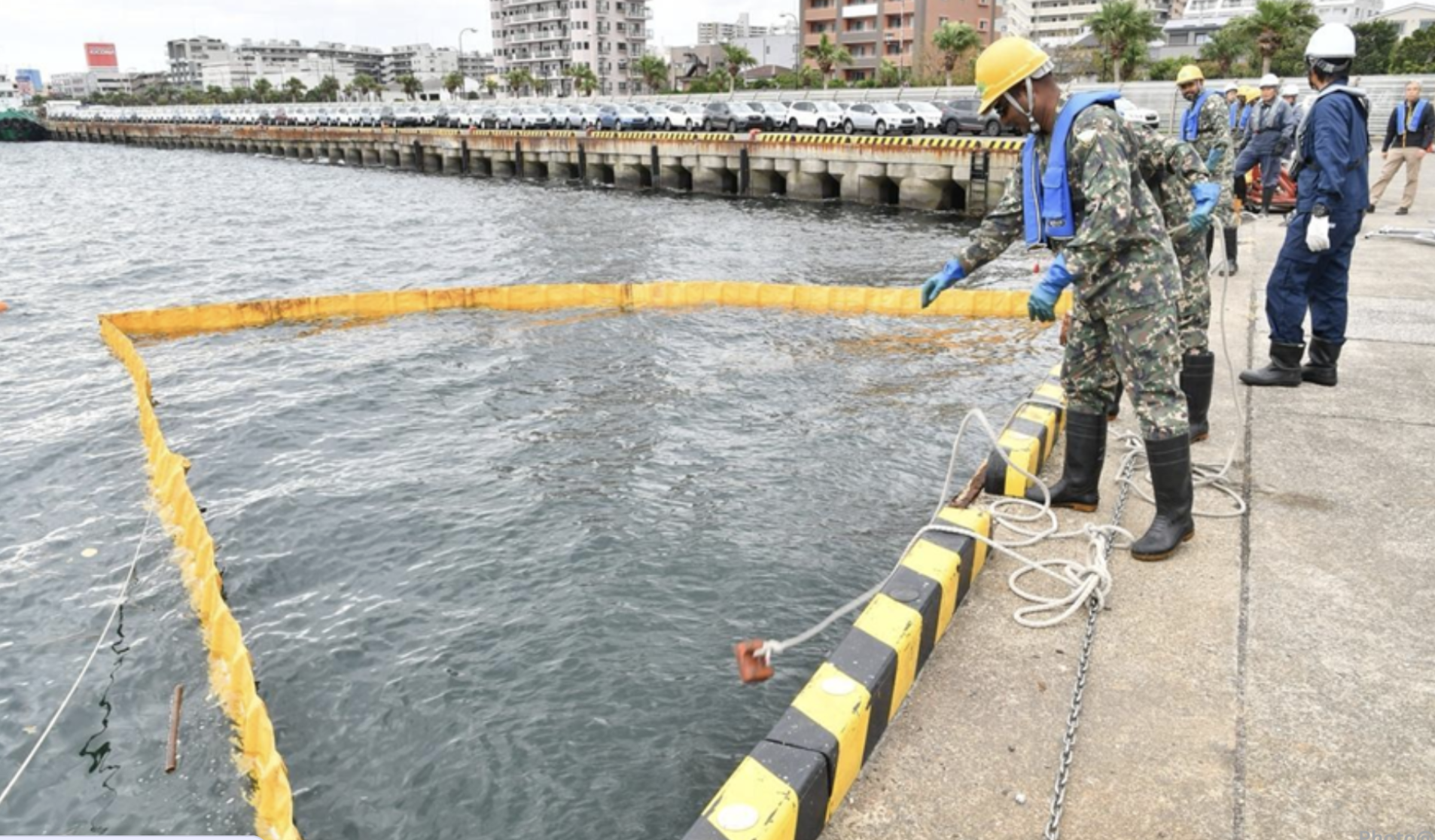
Currently, only one Coast Guard vessel is equipped with dedicated oil spill response equipment. In 2020, Japan donated oil spill response equipment worth USD 2.8 million to strengthen national capacity allocated across the four MNDF area commands. Regional cooperation through the DOSTI maritime security exercises with India and Sri Lanka, and partnerships under the South Asia Cooperative Environment Programme, form the backbone of the Maldives' approach to major spill response. A National Maritime Contingency Plan is being developed to formalize interagency roles and response procedures.
How These Hazards Affect Us
How You Can Stay Safe and Protect Our Waters
Maritime safety is a shared responsibility. Whether you operate a vessel, travel on one regularly, or work near the water, there are clear and practical things everyone can do.
Take Action — Ways You Can Stay Safe at Sea
Learn More
The MNDF Coast Guard coordinates all maritime emergency response in the Maldives operating Automatic Identification System and radar-based vessel monitoring in close coordination with MMS weather alerts.
All vessels undergo mandatory registration and licensing. Safety compliance checks are conducted through regular spot checks, particularly during high-traffic periods and adverse weather. Efforts are underway to establish Marine Safety Communities across the atolls building local ownership of maritime safety practices and reporting. Regional partnerships with India, Sri Lanka, and international partners continue to strengthen the Maldives' capacity to respond to large-scale maritime pollution events.