What are Economic Hazards?
Economic hazards are potential events or conditions that threaten the financial stability, operational viability, and overall wealth-generating capacity of a country. They can result in measurable monetary loss, increased costs of living, or significant disruption to economic activity and the functioning of public and private systems.
When something disrupts the economy at the national level, whether a financial crisis or a break in supply chains the consequences do not just stay in Malé. They travel across every atoll.
Financial Shock
A financial shock is an unexpected disturbance originating from the financial sector that has a significant negative effect on a national, regional, or global economy.
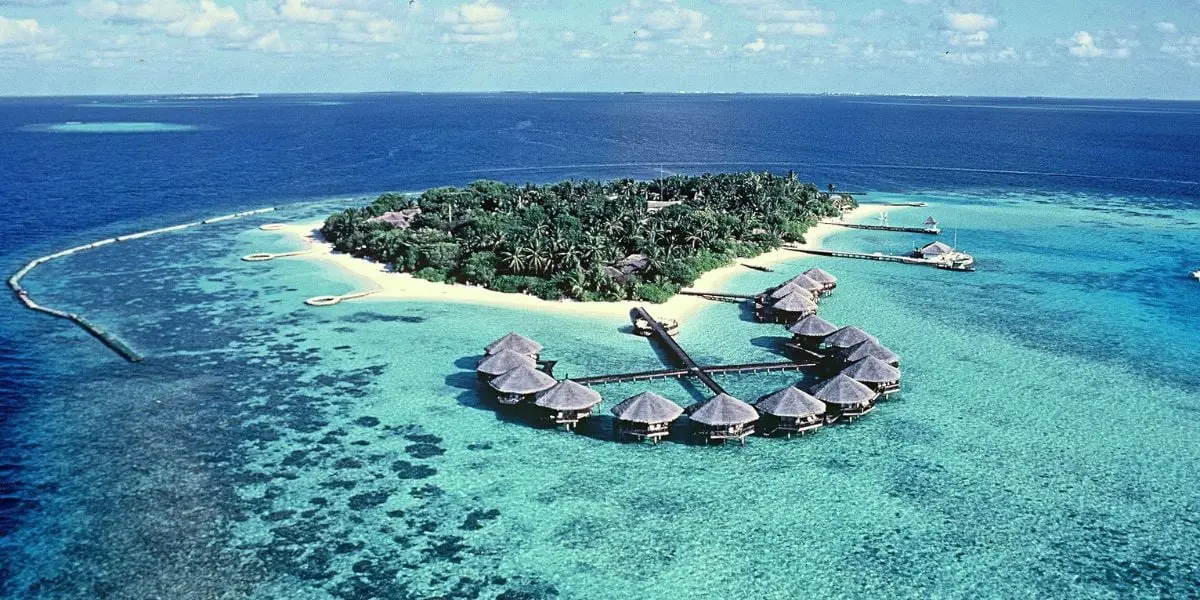
The Maldives' exposure to this risk is shaped by the structural characteristics of a small island developing state. The economy is built on a narrow base heavily dependent on tourism for foreign exchange earnings and government revenue. This concentration means that external shocks, global economic downturns, geopolitical disruptions, health crises, or natural disasters can rapidly reduce the foreign currency inflows that the country depends on to service debt and fund imports.
At the same time, the scale of public investment required to develop and maintain infrastructure across a geographically dispersed archipelago is inherently high. Providing roads, harbours, utilities, housing, and essential services to communities spread across 186 inhabited islands, many of them small and remote demands sustained capital expenditure. The cost of delivering public services per capita is significantly higher in the Maldives than in countries with more concentrated populations and greater land-based resources.
These structural pressures, a narrow revenue base, high infrastructure costs, and vulnerability to external shocks mean that a sudden disruption to tourism earnings or a tightening of global financial conditions can rapidly translate into fiscal stress. If that stress is severe enough, it can constrain the government's ability to finance public services, service debt, and maintain the foreign currency reserves needed to pay for the imports that sustain daily life across the islands.
Supply Chain Disruptions
Supply chain disruptions refer to any event that interrupts the flow of materials from initial suppliers through to final customers.
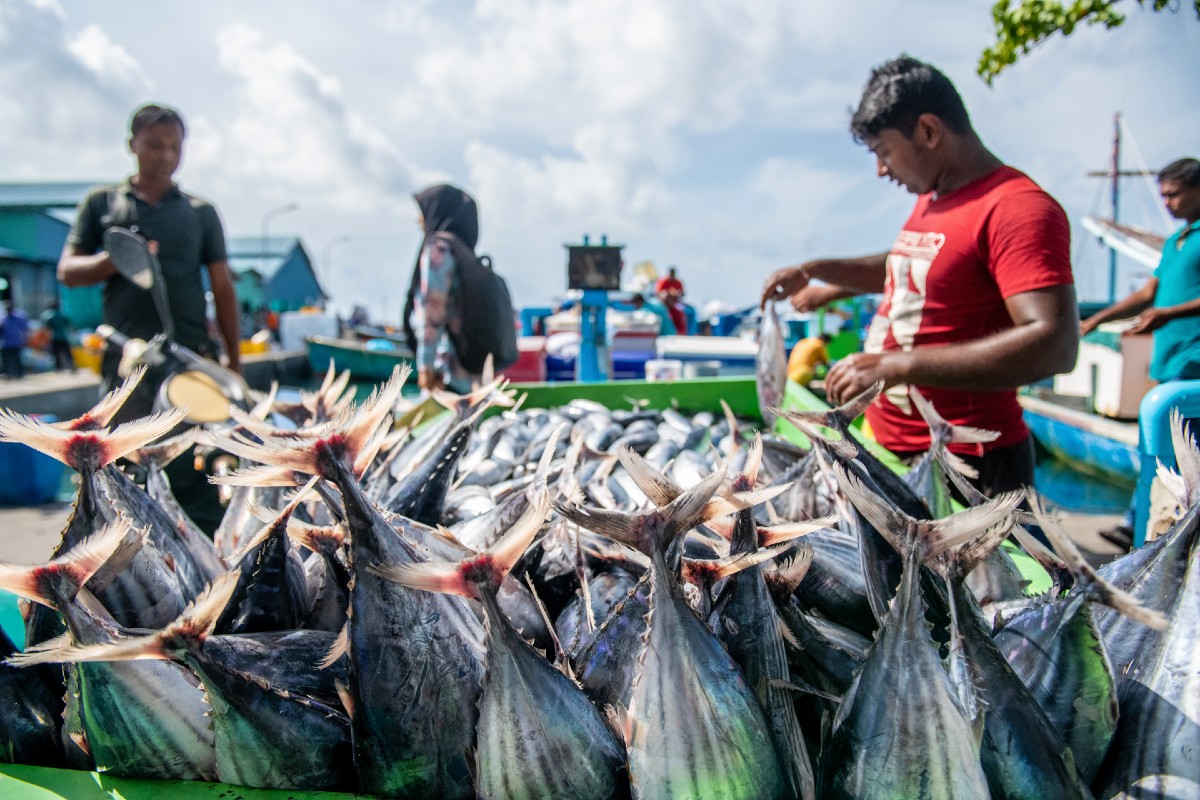
For the Maldives, this vulnerability is a direct consequence of geography. Roughly 90 percent of food and essential commodities are imported and then distributed across a maritime network spanning more than 90,000 sq. km of ocean. There is no realistic alternative to this system, the land area of the Maldives is simply too small, and its soils too limited, to produce food or manufacture goods at a scale that could meaningfully substitute for imports.
The Malé Commercial Harbour is the primary international gateway, with around 40 percent of all imported goods redistributed nationwide through Malé-based markets. This concentration creates a critical operational choke point, a disruption at the harbour, whether from extreme weather, infrastructure failure, or a broader logistical breakdown, sends immediate shocks through the entire national supply network. In June 2025 alone, 5,940 Twenty-foot Equivalent Units were cleared through the harbour. The volume of operations that must continue uninterrupted every day, in all conditions is substantial.
Domestic distribution to outer islands relies on small, privately owned vessels typically holding 50 to 250 tonnes capacity. These vessels are not always able to operate safely during strong storms or monsoon transitions, the periods when disruption is most likely. Extreme weather routinely delays or halts supply runs to outer islands. When that happens, communities that depend on regular deliveries for food, medicine, fuel, and building materials have very limited capacity to absorb the gap.
Impacts of Economic Hazards
What Is Being Done
Some of the regulatory framework includes the Public Finance Act, the Fiscal Responsibility Act, the Maldives Monetary Authority Act, and the Maldives Foreign Currency Act 2024. The Ministry of Finance and Public Enterprises and the Maldives Monetary Authority are mandated for fiscal stability. On supply chains, the Export Import Act and Consumer Protection Act provide the legislative base, with protocols in place for market price monitoring and intervention.
Practical steps are also underway. National warehousing and buffer stock capacity is being expanded. Bilateral agreements with neighboring countries are being strengthened to secure alternative sources of essential goods during emergencies. The development of Kulhudhufushi Regional Port in the north and Hithadhoo Regional Port in the south aims to reduce the country's dependence on Malé as a single operational point of failure. An Agriculture Economic Zone is being developed to support local food production. The role of island councils in local food security is being strengthened through greater fiscal decentralization.